As an Amazon Associate I earn from qualifying purchases.
CIS injectors on an R107 are simple: spring-loaded nozzles that open at a set pressure and spray constantly while the engine runs. They do wear, clog and leak, and old seals cause vacuum leaks that look like injector faults. Here is how I sort them out.
Symptoms of bad CIS injectors
- Rough idle that changes when you pull one plug wire at a time unevenly
- A misfire at idle that clears at higher rpm
- Hard hot starts and fuel smell (an injector dripping after shutdown)
- One spark plug much darker or lighter than the others
- Hissing or high idle from cracked injector seals or insulators
How to pull them
The injectors sit in the intake runners or heads, held by a clamp or simply pressed in with a rubber seal, depending on engine. With the fuel lines still attached, pry gently upward. Old seals can be glued with varnish; use a puller or a slot-head lever on both sides, not pliers on the fuel line. Keep each injector on its own line so you can test it in place.
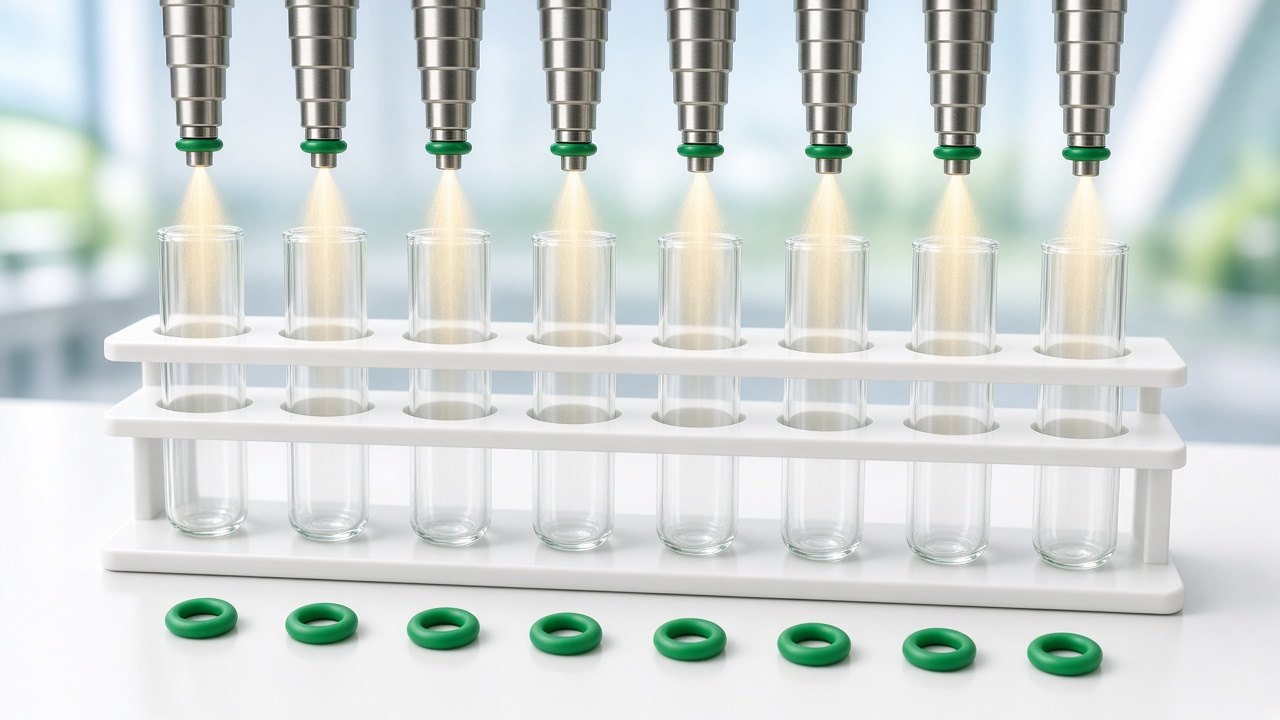
Spray-pattern and leak-down test
- Put each injector in a clear jar or graduated tube.
- Run the fuel pumps (bridge the relay) and lift the sensor plate gently to open the fuel distributor.
- Each injector should produce a fine, even cone with no streams.
- Compare quantities; they should be close to each other. A big difference points at the injector or the distributor port.
- Let the plate drop and stop the pumps. A healthy injector stops instantly and does not drip.
Do this outside, away from ignition sources, and keep the ignition coil disconnected.
Clean vs replace
Ultrasonic cleaning and back-flushing can restore spray patterns, and there are services that clean, flow-test and pressure-test CIS injectors as a set. Replace any injector that drips, sprays a stream after cleaning, or will not open at the right pressure. New injectors and a set of rebuilt ones are both available; buy matched sets.
New seals and insulators
Every time an injector comes out, it gets new seals and, where fitted, new insulators. These rubber parts harden and crack with age and cause vacuum leaks. Lubricate new seals lightly with clean engine oil or a light silicone grease so they slide in without tearing.
Cost
A set of seals is inexpensive. Professional cleaning and flow testing is a modest per-injector fee, and a new set of eight costs considerably more. The usual best value is a cleaning and flow test plus new seals, and replacing only the injectors that fail testing.
Related reading
Quick answers
- Can I clean CIS injectors with a spray-can injector cleaner in the tank? It can help a little with varnish, but it will not fix a dripping injector or a bad spray pattern. Testing tells you more.
- Do I need to replace all eight? No. Replace the ones that fail a flow and leak test, and keep the set matched.
- Why does my idle rise after replacing injectors? Usually a seal is not seated or an insulator is missing, which causes a vacuum leak.