Yes — you can buy a 380SL happily — if you treat the timing chain as a priced fact, not a rumor you hope is fine. This is the decision page for buyers circling early–mid 1980s 380s.
Related: timing chain guide, 450 vs 380, 380 values.
The timing chain question in plain language
Early 380s are associated with single-row chain setups that many owners convert to double-row. Later cars and documented conversions change the risk. You need to know which situation your car is in before you congratulate yourself on the asking price.
When a 380 is a smart buy
- Documented chain conversion or verified healthy late setup
- Rust-honest floors and bulkhead
- Fuel system that starts cold and hot
- Price that reflects remaining work
When to walk
- No chain paperwork and no access for inspection
- Rattle-on-start dismissed as “they all do that”
- Price assumes “garage kept” without evidence
- Seller rushes you past the engine bay
Budget the chain into the offer
If conversion or major chain work is due, subtract a realistic shop estimate from what you will pay. DIY is possible for skilled owners with the right tools; most buyers should price professional work. Getting stranded into a bargain that needs immediate chain work is how 380s earn unfair reputations.
Other 380 ownership notes
Same R107 themes: rust, soft tops, CIS fueling, cooling. The chain issue is famous because it is expensive and consequential — not because everything else is free.
Bottom line
Buy a 380SL when the chain story is clear and the metal is sound. Skip the mystery car with a romantic ad. Plenty of good 380s exist; patience finds them.
Topic checklist
- Single-row 1981-83 cars
- how to tell if converted
- cost of conversion
- US vs Euro 380
- when a 380 is still a smart buy
If any line is still unclear on your chassis, verify against the factory manual for your engine code or ask an R107-literate shop before you buy parts.
How to verify chain status before money moves
- Ask for invoices naming conversion or chain/tensioner work
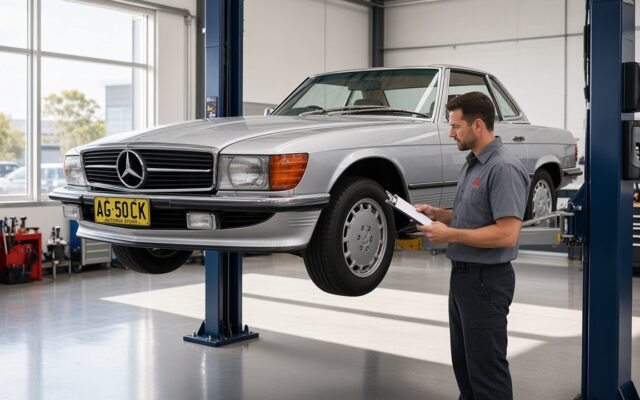
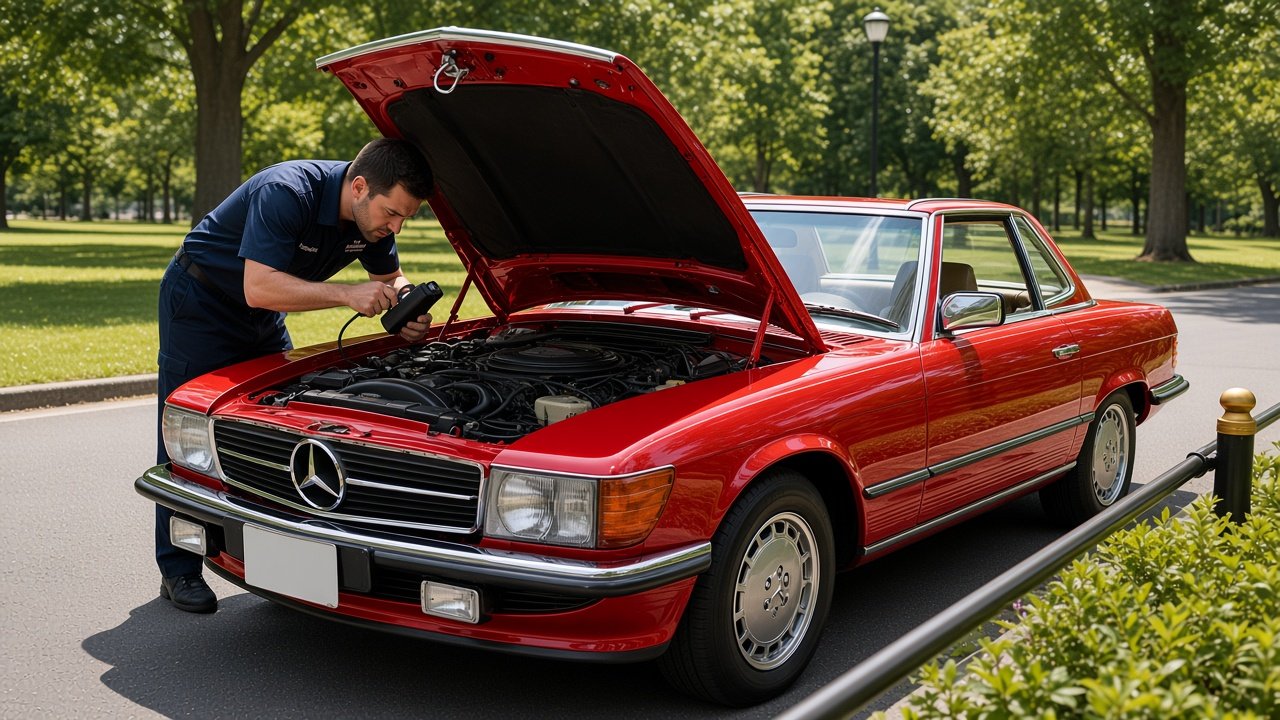
- Have a specialist inspect for single- vs double-row evidence where accessible
- Listen cold; record a video if the seller allows
- Price unknown status as “work due”
Verbal “I think the previous owner did it” is not documentation.
Insurance and financing angle
Lenders and insurers care about value and condition. A chain surprise right after purchase is still your problem. Budget reserves protect you more than optimism.
Living with a sorted 380
Once the chain story is settled and fuel/cooling are honest, a 380 can be a friendly weekend car with strong club knowledge around it. The reputation problem is mostly undocumented examples and wishful listings.
Offer structure
Write your offer as: market comps for condition − deferred chain/fuel/rust items + willingness to walk. Sellers who want full retail on a mystery engine can wait for another buyer.
If you want a 380 without chain anxiety, wait for a documented car or pay a specialist to establish the facts before you fall in love with the color.