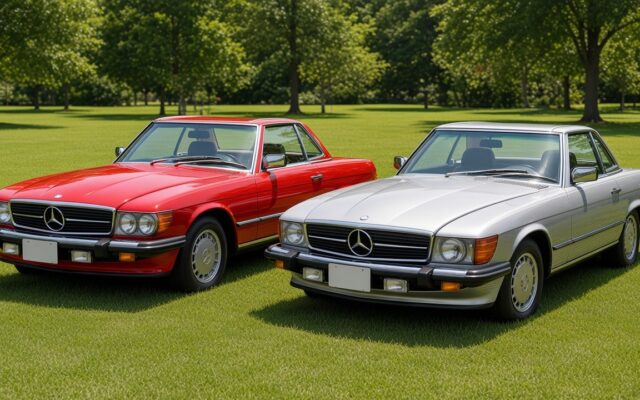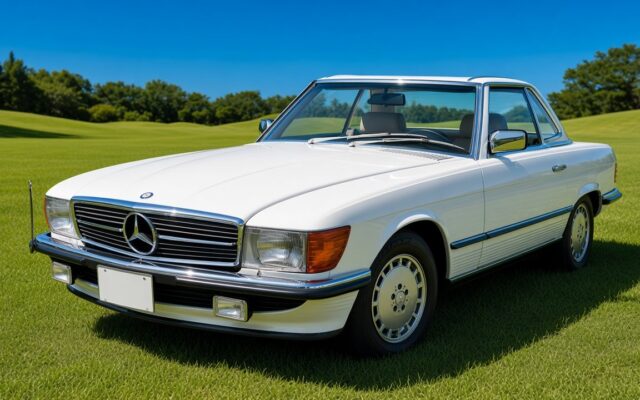
450SL vs 380SL is really a question about era, fueling, and timing-chain risk — not which badge looks better in photos. Both can be excellent. They ask different budgets after the handshake.
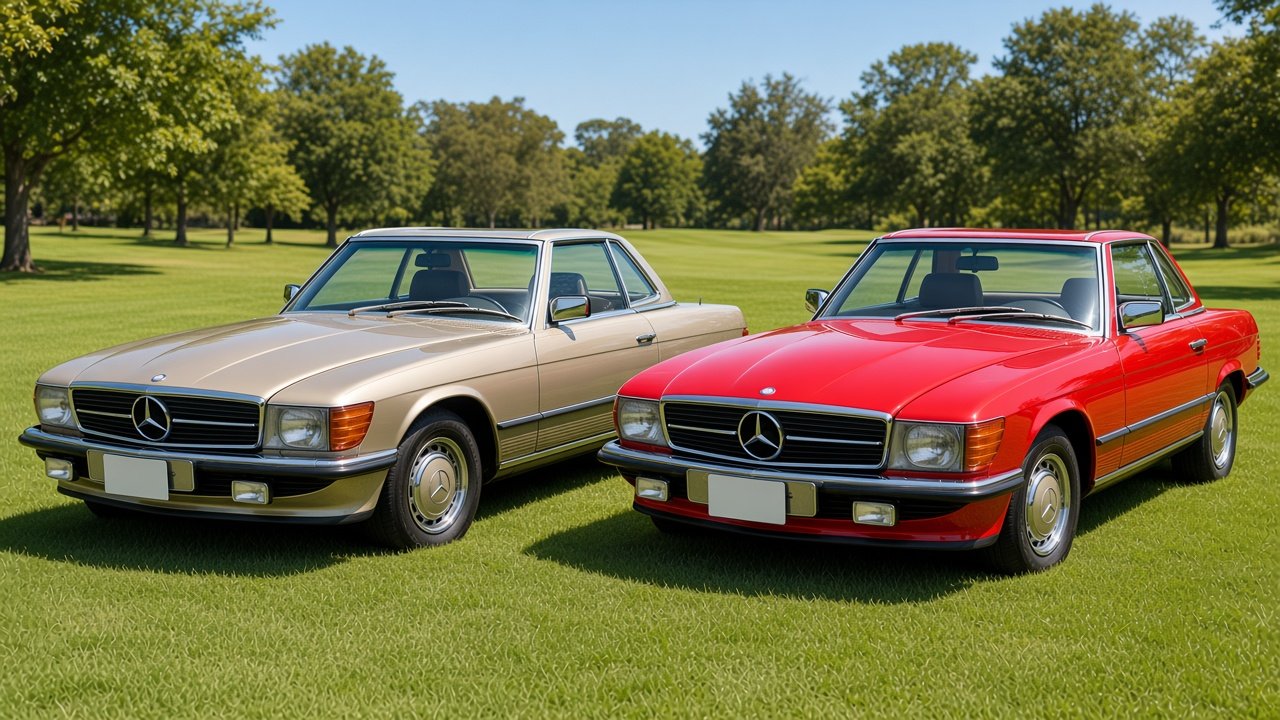
Related: should you buy a 380SL, 380 timing chain, buying guide.
Character and years
The 450SL belongs to the earlier big-displacement M117 era with classic roadster feel and older emissions/fuel setups depending on market. The 380SL (early–mid 1980s US) brings the M116 and the well-known early single-row timing chain discussion on many cars. Neither is automatically “better.”
Where the 450 wins
- Strong period performance character when sorted
- No 380-specific early chain conversion story (you still maintain chains honestly)
- Classic look many buyers picture first
Watch rust, soft tops, and fuel/cooling age items hard — years on the clock are real.
Where the 380 wins
- Often stronger value entry if chain work is documented
- Later comfort/feature trends depending on year
- Parts and knowledge are plentiful
Undocumented early 380s need a price that funds chain verification or conversion. That single line item changes the “deal.”
Ownership cost frame
Add asking price + known deferred work + one-year reserve. A cheaper 380 with overdue chain work can exceed a cleaner 450 on day-one total. A rusty 450 with a pretty paint job loses to a plain, solid 380 with invoices.
Decision checklist
- Do you accept 450-era age and fueling complexity?
- For 380: is chain history on paper?
- Rust and bulkhead look equal on both candidates?
- Which car starts hot and shifts clean on a PPI drive?
Sit in both, drive both warm, and buy the metal — not the myth.
Red flags that end either deal
- Seller blocks undercarriage or bulkhead inspection
- Soft-top frame rot priced as “easy”
- No cold start allowed
- Stories instead of invoices for major engine work
Topic checklist
- Iron-block M117 vs aluminum M116
- power numbers
- K-Jet differences
- timing chain
- fuel economy
- values
- driving feel
If any line is still unclear on your chassis, verify against the factory manual for your engine code or ask an R107-literate shop before you buy parts.
Fueling and emissions era differences
450-era cars often mean older CIS setups and age-related fuel issues. 380s bring their own injection and emissions details by year. Price a fuel-system health check into either purchase. A strong runner with deferred injectors or accumulator work will not stay strong for free.
Rust and tops — equal opportunity problems
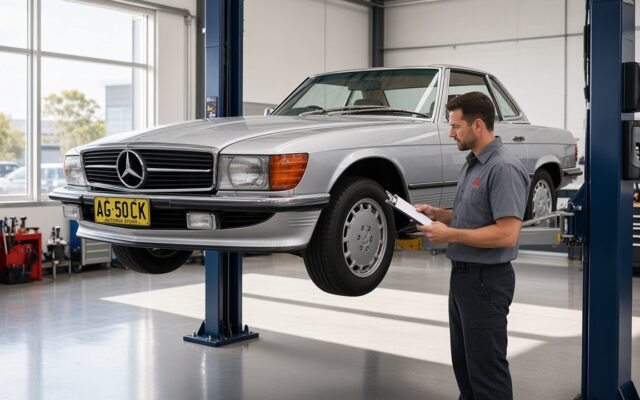
Neither badge exempts you from rockers, floors, jack points, or soft-top frames. Compare both candidates on a lift. Pretty paint on a 450 does not beat honest metal on a 380 — or the reverse.
Parts and specialist familiarity
Both are well-known to R107 shops. Ask the specialist which era they see more often and what fails. Use that to set reserves, not to pick a winner from anecdotes alone.
Who should pick which
- Want classic big-displacement feel and accept older-car age: sorted 450 with rust-free bones.
- Want value with eyes open: 380 with chain paperwork and a PPI that includes hot restart.
If you cannot get chain clarity on a 380, do not force the deal — look at another car. The market still has options.