As an Amazon Associate I earn from qualifying purchases.
Timing chain intervals on R107 engines are not one sticker number for every motor and market. Treat chain health as condition- and history-based, with special attention to early 380 single-row stories.
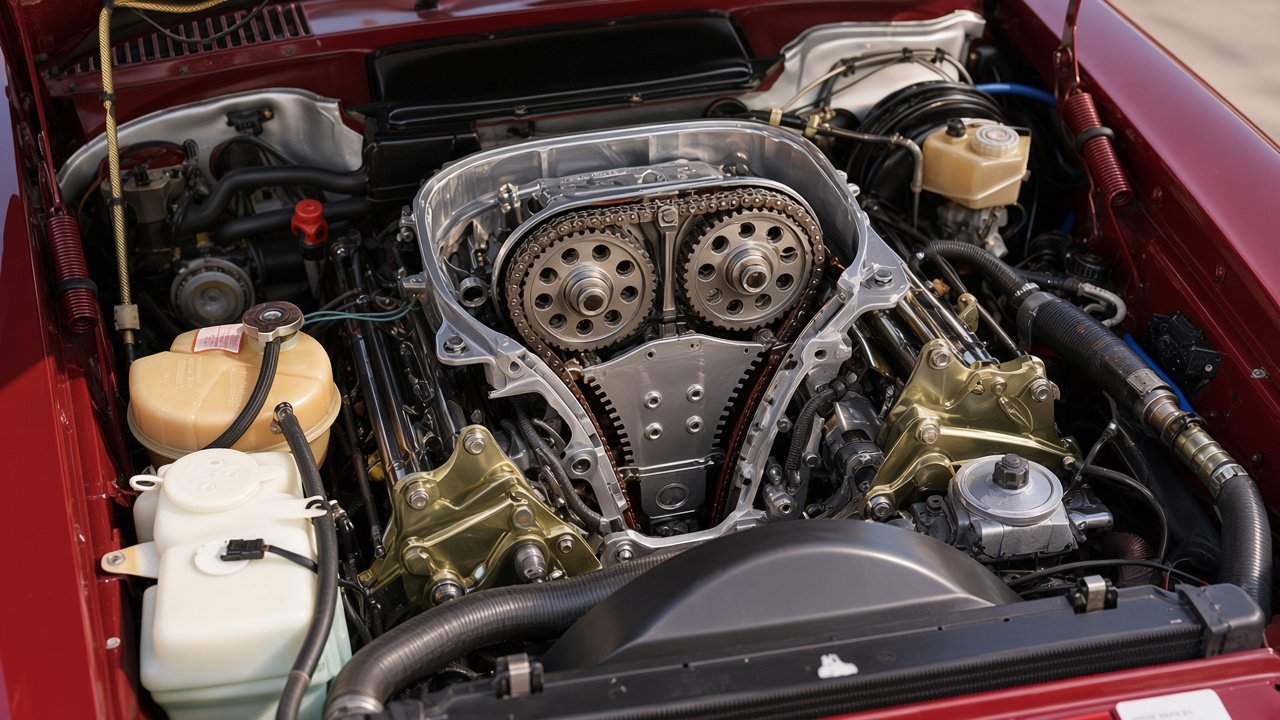
Related: 380SL chain deep dive, M117 watchouts.
Why “every X miles” advice conflicts
Factory guidance, specialist practice, and owner experience diverge by engine, oil discipline, and whether a conversion already happened. Use your engine code and a specialist’s recommendation — not a single meme interval.
Symptoms that move the job up
- Cold-start rattle from the chain area
- Unknown history on a high-mile engine
- Deferred tensioner / rail work
- Metal in oil filters (investigate properly)
Inspection beats calendar faith
When buying, ask for proof of chain work. On a car you own, budget inspection if noise or history is soft. Waiting for catastrophic failure is the expensive interval.
DIY vs shop
Chain work is major. Skilled DIY exists; most owners should price a competent shop. Cheap bids that skip parts quality are false savings.
Oil and chain life
Clean oil at sensible intervals supports chain life. Neglect accelerates wear across guides, rails, and tensioners. Pair mechanical work with maintenance habits or you will revisit the job.
Topic checklist
- Intervals by engine
- checking stretch at the cam mark
- guides and tensioner
- interference engine risk
- is it an interference engine (yes) and what a broken chain does
If any line is still unclear on your chassis, verify against the factory manual for your engine code or ask an R107-literate shop before you buy parts.
Engine-family notes
Early 380 / M116 single-row topics deserve their own urgency. Other R107 engines still need chain health respected — rails, tensioners, and guides wear with neglect. Read the chain article for 380 specifics; use this page for interval mindset across the family.
What a specialist inspection includes
Noise diagnosis, oil condition, history review, and sometimes limited visual access depending on covers. Ask what they can see without full teardown and what remains unknown.
After chain work
Use correct parts quality, set timing properly, and change oil after break-in guidance from the shop. Keep the invoice with part brands listed — the next buyer will ask.
Cost planning
Get written estimates. Ask what is included (guides, rails, tensioner, gaskets, coolant disturbance). Surprises mid-job happen; a clear scope reduces them.
Do not
- Ignore cold rattle for another season because the car “still runs”
- Buy the cheapest chain kit without specialist input
- Skip cooling system checks while the engine is apart-adjacent
If your car is an early 380 with unclear chain history, treat interval talk as secondary to verification and pricing conversion/repair now. Other engines: inspect on symptoms and history, then schedule work before failure decides for you.