As an Amazon Associate I earn from qualifying purchases.
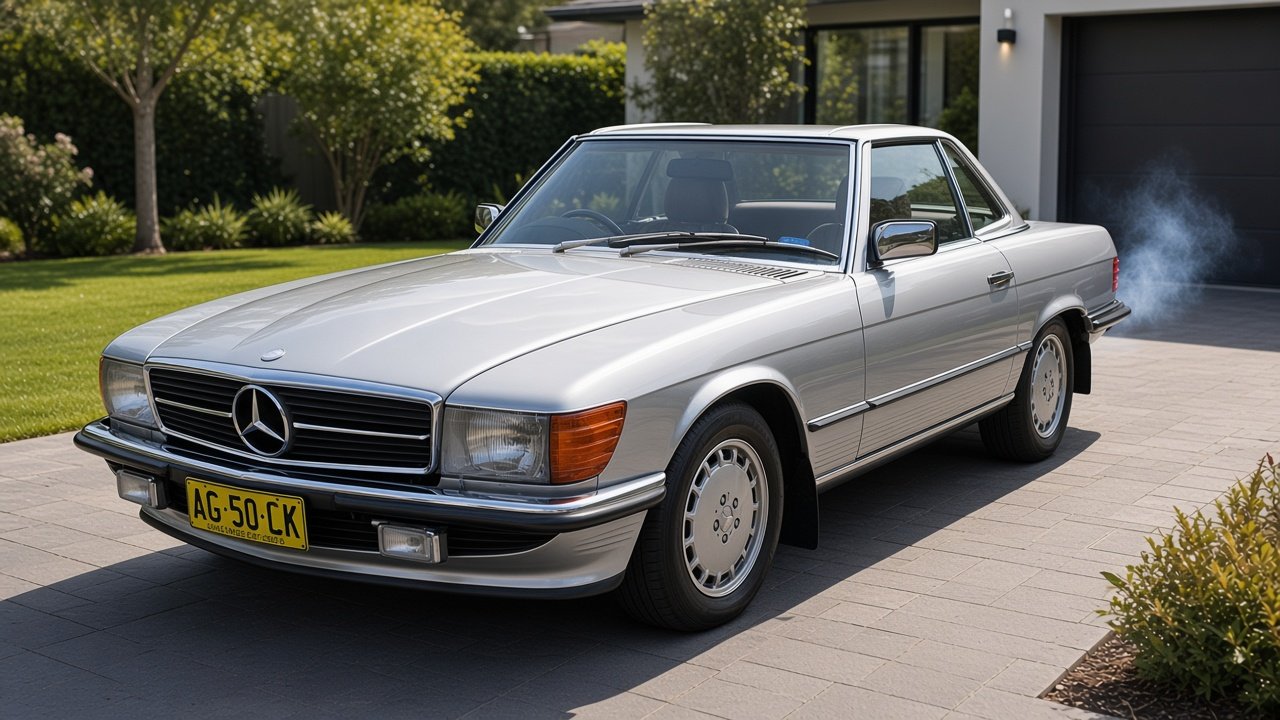
Blue smoke on startup that clears quickly usually points at valve stem seals. Continuous smoke under load is broader wear. Pattern first, wallet second.
Reading smoke color and timing
Short blue puff after sitting: classic seals. Continuous blue: guides/rings territory. White/sweet: coolant. Black: rich fueling — check CIS before teardown fantasies.
Guides vs seals and methods
Seals are the hopeful repair; worn guides make seal-only temporary. Ask shops for heads-on versus heads-off options in writing with what they will measure.
Cost
Itemize seals vs guides vs valve work plus gaskets and timing-side disturbance. Confirm results across several cold mornings, not one warm shop start.
Common mistakes
Skipping a cold and hot test drive, trusting verbal history without invoices, replacing parts before measuring, and ignoring rust while chasing mechanical gremlins. Another classic mistake is using photos from a different market or year as if they were a parts catalog.
When to stop DIY
Stop when you lack the gauge, puller, or safe support the job needs — or when the first repair did not change the symptom. A second identical guess rarely helps. Pay for diagnosis with a specialist who sees R107s regularly.
Practical takeaway
Avoid long sits if smoking is heavy; protect floors from drips; schedule work when oil use climbs.
Verify procedures against the factory manual for your engine and chassis. I do not invent details about a specific personal car here — use your plates, your invoices, and your measured symptoms.
Shop notes and paperwork
Keep invoices, pressure readings, part numbers, and dated photos of the area before and after work. The next owner — or future you — will ask what was actually done. Verbal “we took care of it” evaporates at sale time.
Safety and scope
Use jack stands on solid ground, relieve fuel/coolant pressure before opening systems, and disconnect the battery when the procedure calls for it. If a step needs a specialty tool you do not own, rent it or hire it — improvising with the wrong lever is how fasteners and fingers break.
If this topic intersects fuel, rust, or safety systems, fix the safety and leak paths before cosmetic or convenience items. That order saves money twice.
How much oil should an R107 burn?
Every older engine uses some oil. The question is how much, and whether the amount is changing. Instead of guessing, measure it:
- Fill to the full mark with the car level and the engine warm but stopped for several minutes. Note the mileage.
- Check at the same conditions every few hundred miles and record how much you add.
- Work out miles per quart. A tired engine that’s slowly getting worse is a different situation from one that has burned the same amount for years.
Then sort burning from leaking. Oil on the ground, on the exhaust or under the car points to leaks: valve covers, rear main seal, oil cooler lines and timing cover are typical. Blue smoke points to burning. A puff at startup after sitting suggests valve stem seals, while smoke under load or at deceleration suggests guides or rings. A compression and leak-down test separates the two. Also check the crankcase breather. A blocked breather pressurizes the crankcase and pushes oil past seals and into the intake.
Consumption that is steady and modest is something you can live with if you keep checking the level. Consumption that is rising quickly, fouling plugs or making visible smoke deserves a diagnosis before an expensive repair is chosen. Valve stem seals are far cheaper than an engine rebuild.