As an Amazon Associate I earn from qualifying purchases.
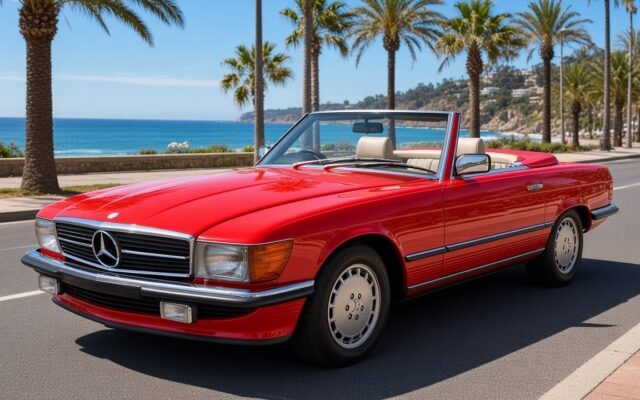
A W113 Pagoda without both tops in good order is a different car from the one in the photos. The removable hardtop is part of the silhouette people are paying for; the folding roof is what makes the car usable when that hardtop is on a stand in the garage. Water that sneaks past tired seals does not politely stay in the cabin — it heads for the well, the floors, and the structural metal that decides whether a 230SL, 250SL, or 280SL is a car or a restoration brochure.
This page is about fit, fabric, frames, seals, storage, and the kind of damage I look for when someone says “the top is original and fine.” For the rest of the purchase decision, use the Pagoda buying guide and the 2026 Pagoda values notes. Top condition is one of the levers those pages are talking about.
Why the hardtop and the soft top are a pair
The concave hardtop is the piece that made the nickname stick. It should sit evenly on the body, latch securely, and compress the seals without a wrestling match. Gaps that show daylight, latches that only catch on one side, or a top that has to be dropped from a height onto the windshield header are all signs of bent mounts, tired seals, or a previous owner who stored the thing poorly.
The soft top has to raise and lower without binding, cover the rear window opening without cracks you can see through (many period rear windows are plastic and cloud with age), and drop into a well that still drains. A car advertised with “both tops” should present both tops at the viewing. A hardtop “at another property” is a hardtop you have not inspected.
Soft-top checks I actually do
Look at the fabric in raking light. Chalking, stitched seams that have let go, and thinning at fold lines tell you a replacement is near. Feel the frame as someone operates it: bent bows, seized joints, and crushed bushings show up as a notch in the motion or as a frame that will not sit symmetrically. Binding is how you tear a still-decent cloth.
The rear window on many of these tops is a plastic panel. It yellows and crazes. A crystal-clear window on an otherwise tired top can mean a recent insert; that is fine if the rest of the work matches. A window you cannot see through is a safety issue as well as a cosmetic one. I do not fold a cold, brittle rear window to “see how it works” on a first date with a seller — that is how you crack it. Ask for a photo of it already lowered if the weather is near freezing.
Water management matters more than shine. With the seller’s permission, a gentle hose around the header and quarters (not a pressure washer) shows whether the well takes on water and whether that water leaves through the drains. Standing water in the well is how you grow rust in the most expensive place on the car. A convertible-top cleaner made for fabric is for maintenance after you own it; it will not hide a frame that is already banana-shaped.
Hardtop checks
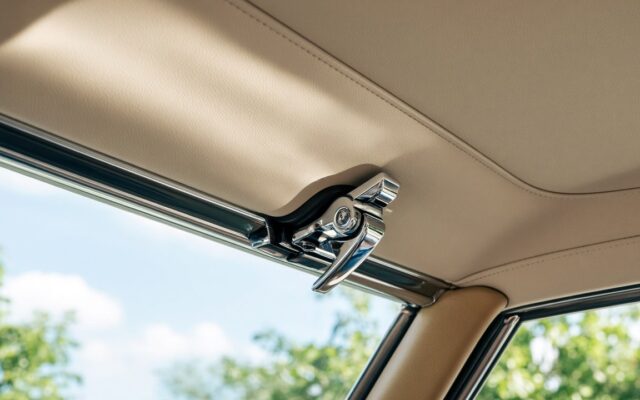
Set the hardtop on the car, or watch someone who knows the car do it. Latch hooks and pins should engage without a cheater bar. Seal compression should be even along the windshield and the rear quarters. A hardtop that rocks is either the wrong top for the body, a distorted shell, or seals that have taken a set from sitting on a concrete floor on one corner.
Inside, look at the headliner for sag, stains, and evidence of leaks. Outside, paint and chrome should be in the same conversation as the rest of the car; a resprayed top on an original-paint body is common and should be priced as such. Chrome on the bright pieces pits. None of that is fatal. A cracked glass rear window in the hardtop, or rusty mounting hardware, is more than a polish job.
Storage is half of ownership. These tops are heavy and awkward. A wall-mounted hoist or a dedicated hardtop storage stand beats sliding the top across a fender. The R107 world has its own stand and hoist habits; the principle carries over even though the top itself is a different part. If you already read ClassicMerc’s R107 hardtop storage notes, treat them as ergonomics, not as a parts list for a W113.
Where leaks turn into metalwork
The soft-top well sits ahead of structural rear metal. Drains clog with debris. Seals shrink. A car that has been parked outside with a poorly fitted top can hide scale under the well mat until you lift it. Pair any top inspection with the rust order in the buying guide: sills, floors, and the well are not separate hobbies. I would rather see a faded but correctly fitting soft top on a dry structure than a new canvas over damp floors.
Hardtop seals that have gone hard let water in along the header when you drive in rain with the hardtop mounted — which is how many of these cars are actually used. Replacing seals is a known job; forcing a hardtop down onto tired seals is how you chip paint and bend latches. New seals can be thicker than the flattened originals, so a careful adjustment after installation is normal, not a sign the top “doesn’t fit anymore.”
What replacement costs feel like
A complete soft-top recover, especially with frame work, is specialist money. Quotes vary with the shop, the fabric grade, and whether the frame needs straightening or new wood and pads where the design uses them. I will not invent a single national price. I will say you should collect written estimates before you treat a “needs top” listing as a small discount off a perfect car. A hardtop that needs glass, rust repair in the skin, or a full respray can rival a cloth job.
Used tops appear in classifieds. Fit is everything. A top from a different year or a poorly repaired collision car may not sit on your windshield frame. Measure, photograph mounting points, and if possible trial-fit before money moves. Shipping a hardtop without a proper crate is how it arrives as a sculpture.
How tops show up in the asking price
Buyers of nice 280SLs expect both tops, and they expect them to work. Missing or destroyed tops are a deduction, not a charming story. A documented recover by a known shop is a plus if the rest of the car matches. For how that sits in the wider market, the values article is the better home; here I only note that you should not pay “both tops, restored” money for a car whose hardtop lives in a damp shed and whose plastic window is opaque.
If you are cross-shopping a later SL, the R107’s top world is documented all over this site, including R107 vs Pagoda. The later car’s top mechanism is its own animal. A W124 cabriolet is a different mechanism again; see the A124 convertible page if that is the car you actually meant to shop.
Questions about Pagoda tops
- Can I drive without the hardtop? Yes, that is what the soft top is for. Store the hardtop so it cannot fall or collect standing water on the paint.
- Are seal replacements a home job? Some owners do the seals; frame straightening and a full recover are specialist work if you care about how the top looks closed.
- Should I lower the top to inspect it in winter? Not if the window is brittle with cold. Ask for it to be left down, or come back on a warmer day.
- Does a new cloth fix rust in the well? No. Repair the metal and the drains first, or you will water-stain the new fabric from below.