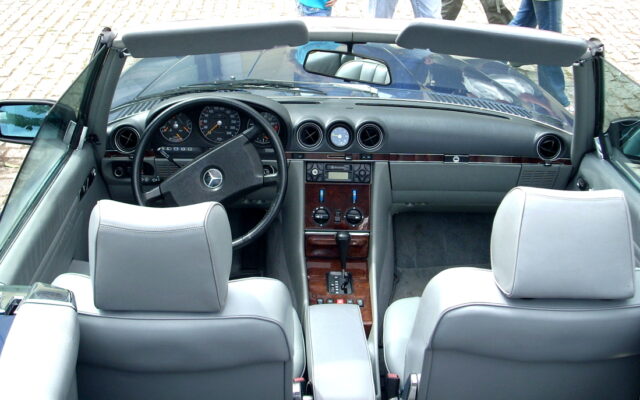
Restoring an R107 can be rewarding and financially sobering. The order of work matters as much as the budget. This is a planning pillar — not a promise that any specific shop or car will hit a round number.
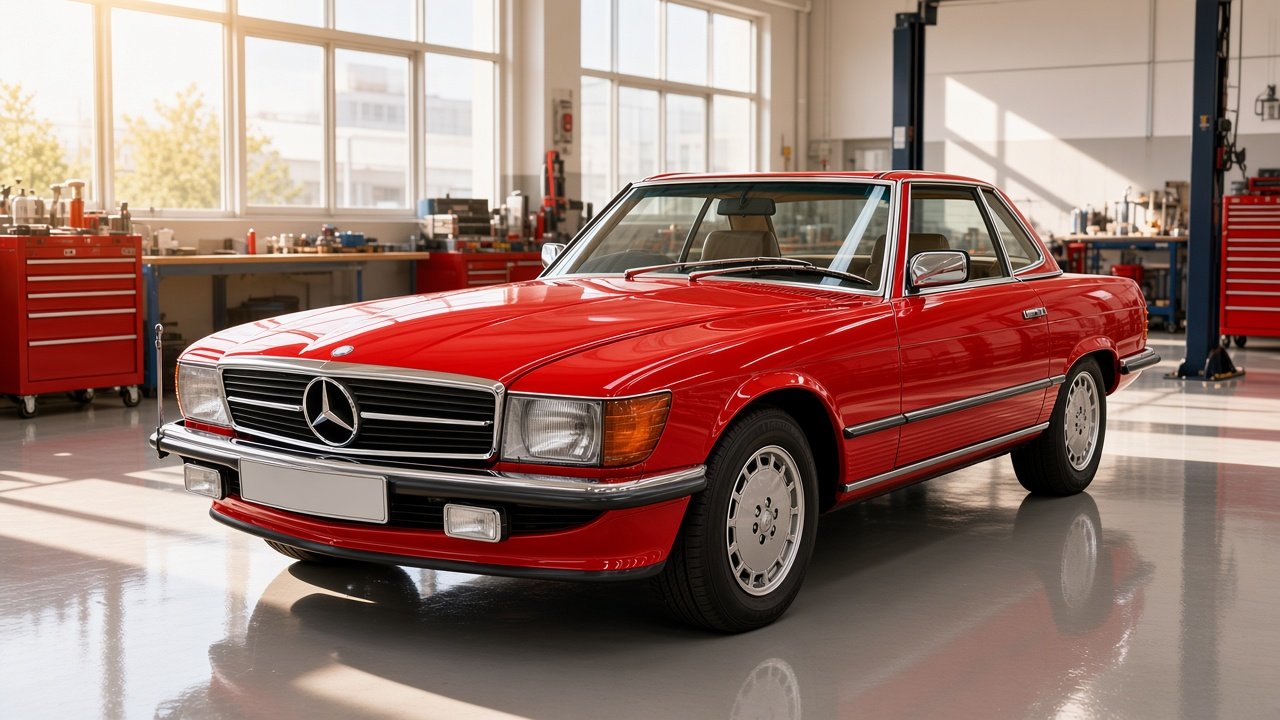
Related: interior restoration.
Budget bands (planning language)
- Sort and enjoy: mechanical honesty, safety, cosmetics later.
- Driver restore: rust repaired, drivability right, paint/interior improved but not concourse.
- Full restore: metal, mechanicals, paint, interior — costs climb fast and quotes go stale.
Always add a contingency percentage. Discoveries under carpet and behind panels are normal.
Order of work that avoids redo
- Evaluate and stabilize (title, rust mapping, compression)
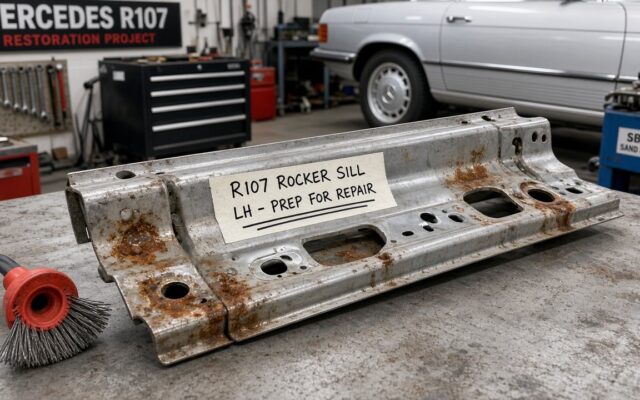
- Metal / rust structural repairs
- Mechanicals that affect driving and safety
- Paint after metal is truly done
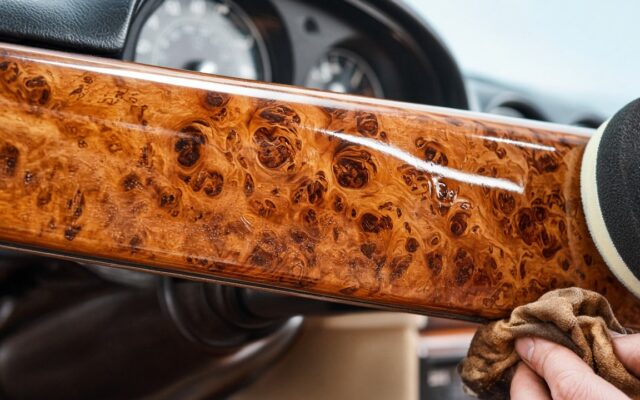
- Interior last (or protect it carefully during mechanicals)
Paint before rust repair is how people pay twice.
Buy restored vs restore
A documented, correctly restored car can be cheaper than a bargain project once labor is honest. A cheap project with hidden floors is not a deal. PPI and lift inspection still apply to “restored” ads.
Parts availability
Many wear items remain available; some trim is painful. Join knowledge communities, but verify vendors. NLA parts need reman, used, or fabrication plans.
Specialists
Choose shops that know R107 quirks (bulkhead, fuel, climate). Generic body shops can paint; fewer understand soft-top fit and Mercedes metal quirks. Ask for photos of prior R107 work.
Pitfalls
- Underestimating rust
- Skipping mechanicals to fund paint
- No written scope with the shop
- Endless scope creep without milestones
What “restored” means in ads
Restored can mean new paint over old rust, or a documented metal-and-mechanical rebuild. Ask for before photos, invoices, and a lift look. Paint meter readings and fastener evidence tell stories sellers skip.
Specialist vs general shop
Bodywork generalists can straighten panels; R107 soft-top fitment and Mercedes-specific rust patterns favor experience. Mechanical shops that know CIS and climate save redo money. It is normal to use more than one specialist — coordinate sequence so paint is not ruined by later mechanicals.
Parts availability in practice
Wear items: generally good. Brightwork and some interior pieces: hunting required. Join club knowledge, but verify current vendors. Budget time as well as money for NLA searches.
Buy restored vs restore — decision frame
If your free time is scarce and you want to drive this year, pay for a sorted car. If you have skills, space, and patience, a solid project can work — provided the metal is honest. The worst outcome is an expensive paint job on a car that still will not start hot.
Milestones and stop points
Define milestones: rolling shell safe, engine reliable, interior usable. Stop and reassess budget at each gate. Unlimited open-ended restores are how people sell unfinished cars at a loss.
Documentation habits during a restore
Photograph every stage, keep boxes labeled, and log torque-critical fasteners. Future you — or a buyer — will need that trail. A restore without paperwork is just an old car with new paint in the market’s eyes.